Accessibility Challenges and Key Changes Defining the 2026 FIFA World Cup Experience
The 2026 FIFA World Cup’s historic expansion and triple-country hosting come with daunting costs and logistical challenges, threatening fan accessibility and attendance.
Key details
- The tournament expands from 32 to 48 teams, with 104 matches hosted by USA, Canada, and Mexico.
- Ticket prices range from 155 to 7,430 euros, limiting affordability for many fans, including Germans.
- Long travel distances between venues increase logistical challenges for teams and fans.
- Entry restrictions to the USA may prevent fans from certain countries from attending matches.
The 2026 FIFA World Cup promises groundbreaking changes but also raises serious concerns about fan accessibility and affordability. Set to begin on June 11 at Mexico City's Aztekenstadion, the tournament will be co-hosted for the first time by three countries: the USA, Canada, and Mexico. Expanding the tournament from 32 to 48 teams, 104 matches will be played over five and a half weeks, with 72 games in the group stage alone — extending the event by ten days compared to the 2022 World Cup in Qatar.
Newly qualified nations, including Cape Verde, Curacao, Jordan, and Uzbekistan, will add diversity, with Curacao notably being the smallest nation by population to participate. However, the increased scale brings logistical complexities. Fans, including the German team itself, will face significant travel distances between venues — for example, Vancouver to Miami spans 4,500 kilometers, and Germany's group stage alone involves more than 2,600 kilometers of travel.
Ticket pricing presents a critical barrier. Prices range widely from 155 to 7,430 euros, with group stage tickets for German fans expected to cost between 155 and 600 euros, and final match tickets reaching up to 7,430 euros. Despite FIFA's introduction of a small number of cheaper tickets per game, most seats remain unaffordable for many fans. This economic hurdle, coupled with travel expenses and accommodation in multiple countries, threatens to exclude a significant portion of passionate supporters.
In addition, U.S. immigration policies, particularly restrictions initiated under former President Donald Trump, could bar fans from countries like Iran and Haiti from entering the United States to attend matches, further shrinking potential attendance.
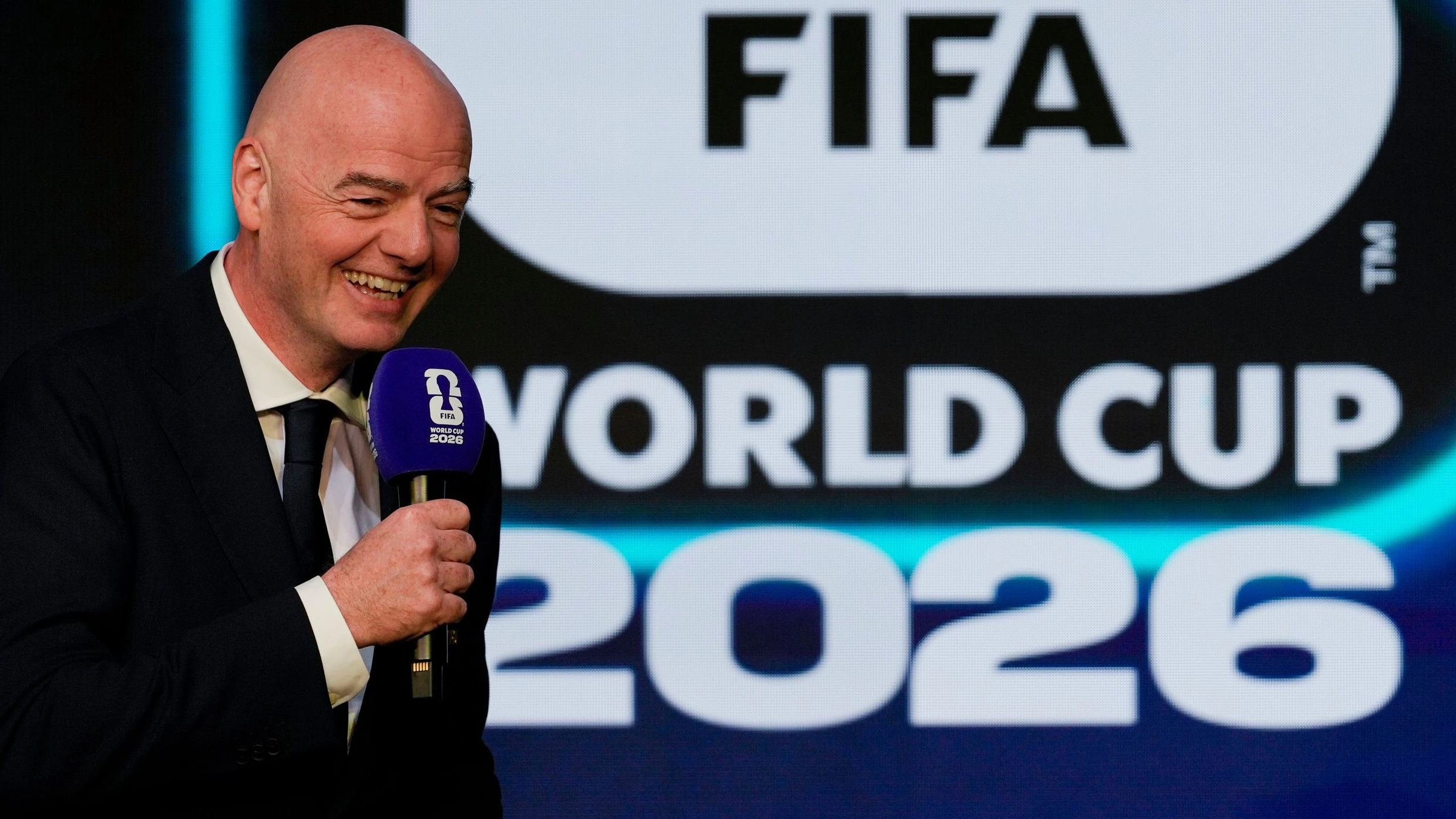
FIFA President Gianni Infantino has promoted this event as "the largest and most inclusive World Cup ever," but fans and experts express concerns that the combined effects of high costs, complicated travel logistics, and immigration hurdles may compromise the vibrant atmosphere typically associated with the World Cup. New measures such as mandatory drink breaks every 22 minutes reflect adjustments for players amid elevated temperatures but do little to mitigate accessibility problems for fans.
As the tournament approaches, the balance between expanding football’s global reach and ensuring that diverse, enthusiastic fan groups can participate remains a crucial challenge to be addressed.
Source articles (2)
-
dw.com Dec 31, 2025
Sechs Dinge, die bei der Fußball-WM 2026 anders sein werden
-
faz.net Dec 31, 2025
Turnier im Jahr 2026: Darum ist die Fußball-WM nur für Wohlhabende